Welcome to the Keystone Amateur Radio Society (KARS)
Where radio, community, and real hands-on learning come together
KARS is a growing amateur radio club serving local and the surrounding region. We may not have much yet, but we’re building something real. A place where new and old operators have a home, experienced operators can share their skills, and everyone has a chance to get on the air.
Welcome to Keystone Amateur Radio Society (KARS)
You don’t need experience, fancy equipment, or a license to start learning. Just bring your curiosity and we’ll show you the ropes together. Everyone has a unique perspective to offer, and it's often through exploration and open-mindedness that we discover new interests and skills. Whether you're a complete novice or someone looking to refresh your knowledge, our welcoming environment is designed to facilitate growth and understanding. So, gather your enthusiasm and let’s embark on this fascinating journey of learning side by side.
The Keystone Amateur Radio Society (KARS) is a team of radio operators ranging from brand-new hams to veterans with 50+ years of experience. We’re all about learning, teaching, and exploring together, from building antennas to activating parks and summits. Our leadership keeps the club moving forward, but it’s the spirit of teamwork and adventure that makes KARS stand out in our area.
Getting Started
Do I need a license first?
Nope! You can come to meetings, listen in, and even join demos before you’re licensed. All are welcome.
I don’t have any gear can I still join?
What is amateur radio?
What if I know nothing about radio?
Perfect. We’ll meet you where you are and help you get on the air with confidence.
Absolutely. No gear, No Problem, we need you and your questions.
Amateur radio is a fun activity that mixes a love for technology, radios, being part of a community, and helping people. It is a popular hobby and public service involving radio communication using designated frequencies and equipment. People use radio signals to talk with others around the world and with many chances to learn from people of all ages and backgrounds.
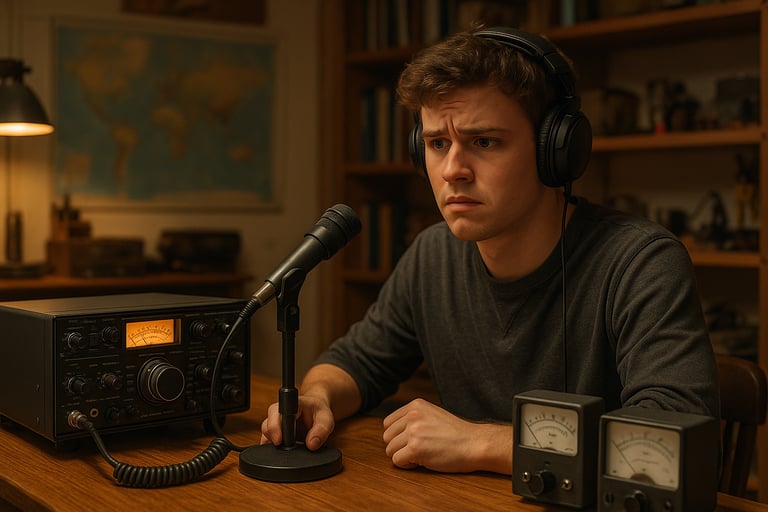
New to Radio?
We Know How That Feels.
You’ve got your first radio and passed your exam… now what?
Many beginner hams often feel a bit overwhelmed. It can be challenging to know what to communicate on air, which settings to adjust, or how to gain confidence without guidance.
You are not on your own, and there’s no need to navigate this journey by yourself anymore.
Don’t worry if you haven’t obtained a license yet; we’re here to assist you.
Beginner Support


Get personalized guidance to build your confidence on the airwaves.


Community Growth
Join a supportive network of fellow amateur radio enthusiasts and grow together.
Access to Equipment
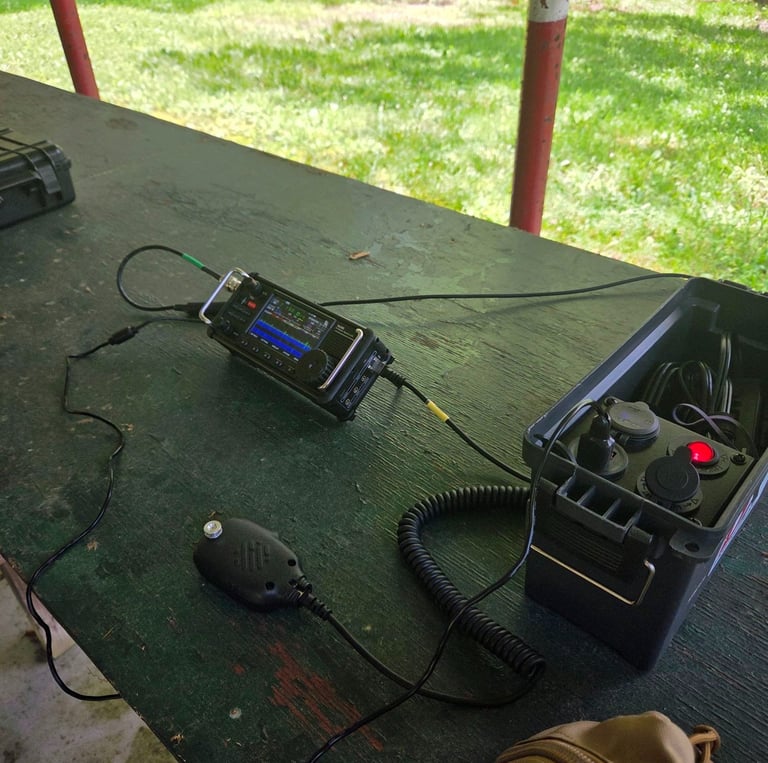
Explore real radios and hands-on experiences to enhance your skills.
This Is the Club That Starts Where You Are
At Keystone Amateur Radio Society, we’re building something new together. We're a brand-new club focused on helping beginners feel at home from day one.
From "bring your gear" show-and-tells to guided demos, we help you grow your skills with hands-on support and real radio time even if you don’t have your own setup yet.
And we're just getting started.

How to Get Your GMRS & Amateur License
Getting your radio license may sound tricky, but it’s really just a few simple steps. This guide walks you through everything, from studying to getting your license from the FCC.
GMRS (General Mobile Radio Service)
Purpose: Short-to-medium range family or group communication.
Who Can Use It: One license covers the whole family.
Requirements: Must be 18+, no test required.
Cost: $35 for 10 years.
Equipment: Handhelds and mobile radios, usually pre-programmed (limited to GMRS frequencies).
Scope: Mostly local (a few miles to tens of miles, depending on terrain and repeaters).
Learning Curve: Minimal, easy to get started, no technical exam.
Amateur (Ham) Radio
Purpose: A hobby and service for worldwide communication, experimentation, and emergency response.
Who Can Use It: Only the person licensed (family members need their own).
Requirements: Must pass one or more tests (Technician, General, Extra).
Cost: $15 exam + $35 FCC fee, valid for 10 years.
Equipment: Wide range from handhelds to HF base stations, antennas, satellites, digital modes.
Scope: Local, regional, worldwide, even space.
Learning Curve: Higher, requires study and ongoing learning.
FCC Regulated: Both licenses are issued by the FCC and tracked in the FCC database.
FRN Required: Both require you to get an FCC Registration Number (FRN) first.
10-Year Validity: Both last 10 years before renewal.
Call Signs: Both come with an FCC-issued call sign.
Community Use: Both promote safe, responsible radio communication.
Cost: Both currently cost $35 through the FCC.
How They're Similar
Get Your FCC FRN (Registration Number)
Before you can take your test or apply for GMRS, you need an FRN. This is your FCC account number.
How to Get an FRN:
1. Go to the FCC CORES Login.
2. Click Register.
3. Enter your name, address, and email.
4. Save your FRN, you’ll need it to take your ham test and to log in later.
GMRS = General Mobile Radio Service. It uses handheld or mobile radios, kind of like walkie-talkies but more powerful. Perfect for families, campers, farmers, and off-roaders.
GMRS Rules:
Must be 18 or older
No test required
One license covers your whole family
License lasts 10 years
Cost is $35
How to Get a GMRS License
1. Study is optional (but good to learn basics).
2. Get your FRN (if you don’t already have one).
3. Log in to the FCC ULS with your FRN.
4. Apply for a ZA – General Mobile Radio Service license.
5. Pay the $35 fee.
6. Your license and call sign appear almost instantly!
Amateur (Ham) Radio License
Ham radio (also called Amateur Radio) is a hobby where people use radios to talk across town, across the country, and even around the world.
The FCC (Federal Communications Commission) gives out licenses. The ARRL (American Radio Relay League) is a big national group that helps people learn and get started.
Ham License Levels
There are 3 main license levels in the U.S.:
1. Technician Class (Beginner)
35 multiple-choice questions
Lets you use local repeaters, handheld radios, and some HF bands
2. General Class (Intermediate)
Must pass Technician first
Another 35 questions
Lets you talk around the world on more HF bands
3. Amateur Extra (Advanced)
Final step
50 questions
Gives you full access to all amateur bands
Study for the Exam
Use the ARRL License Manual to learn the basics
Take practice tests on HamStudy.org
Download free apps for quick quizzes
Many local clubs hold beginner classes
Contact Us
We're here to help you get started and feel confident on the air!